Maximize Energy Efficiency: A In-Depth Guide to Attic Insulation Installation
Proper attic insulation is essential for improving energy efficiency within homes. Proper installation can greatly impact temperature regulation and energy costs. Understanding the different insulation materials and the steps required for effective installation is essential. This guide provides guidance on evaluating your attic, selecting suitable materials, and executing the installation. Still, many homeowners ignore important aspects that can affect the overall outcome. Discover what these elements are and how to avoid common pitfalls.
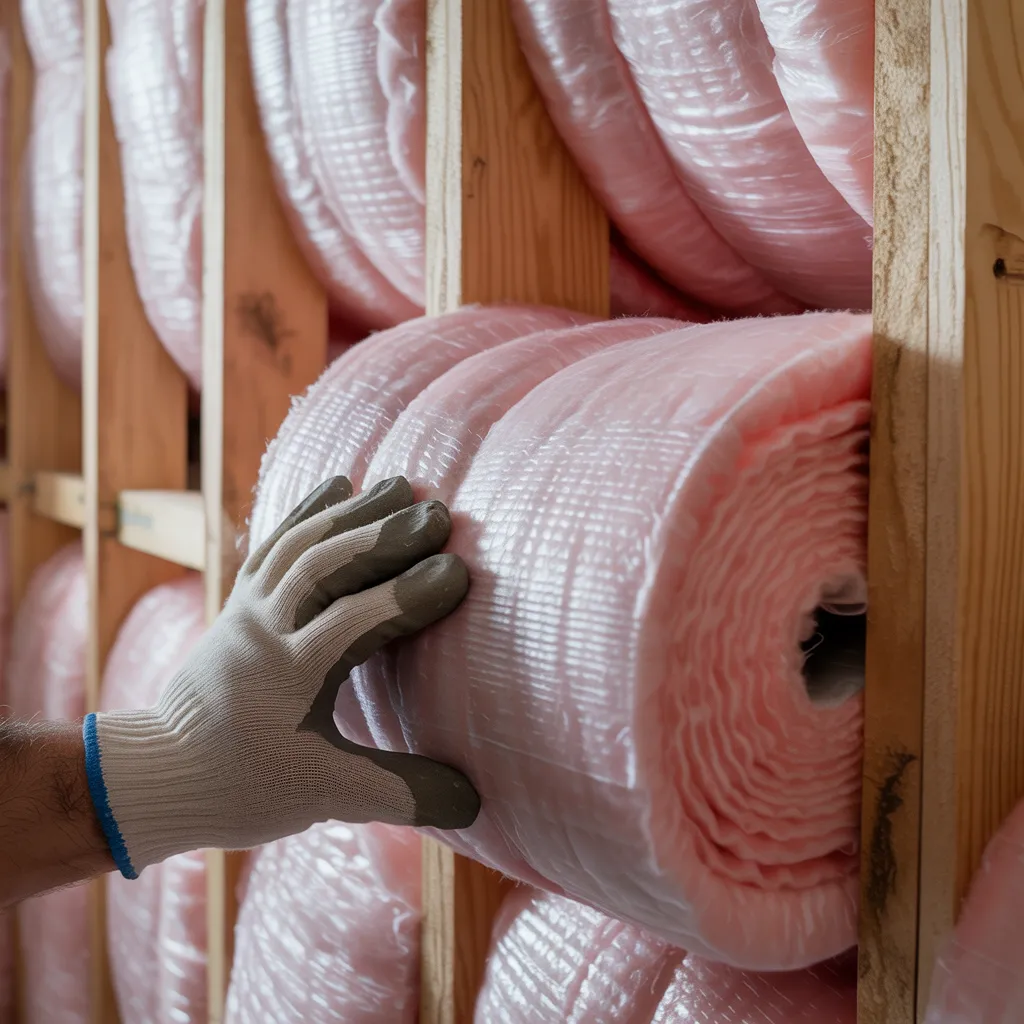
Kick Off Your DIY Attic Insulation Project
Prior to starting a DIY attic insulation project, homeowners should first examine their current insulation and determine the most suitable type for their needs. This review involves inspecting existing insulation for damage, moisture problems, or insufficient coverage. Homeowners should also measure the attic space to determine the amount of insulation required for ideal energy efficiency.
Subsequently, they need to assemble essential tools and materials, including safety gear, a utility knife, and insulation material. Understanding local building codes and safety regulations is vital, as it guarantees compliance and enhances safety during installation.
Planning the installation process is also important; homeowners should decide whether to tackle the project alone or enlist help. They must ensure proper ventilation in the attic to stop moisture buildup, which can cause mold growth. By approaching the project methodically, homeowners can secure effective insulation that contributes to energy savings and increased comfort within the home.
Choosing the Most Suitable Kinds of Attic Insulation Materials
Picking the appropriate attic insulation material is essential for maximizing energy efficiency and comfort. Homeowners often weigh the advantages of fiberglass insulation, the advantages of spray foam, and the eco-friendly option of cellulose. Each option presents distinct characteristics that can influence performance and installation.
Advantages of Fiberglass Insulation
Fiberglass insulation stands out as a favored selection for attic spaces owing to its many advantages. One key benefit is its excellent thermal performance, which assists in maintaining consistent indoor temperatures, thereby increasing energy efficiency. Moreover, fiberglass insulation is non-combustible, enhancing safety in residential structures. Its lightweight nature facilitates easier installation, making it ideal for DIY projects. Fiberglass is also resistant to moisture, minimizing the risk of mold growth, which can affect indoor air quality. Additionally, this material is often more affordable than alternatives, providing a economical insulation solution. In conclusion, fiberglass insulation is available in different forms, including batts and blown-in options, enabling homeowners to select the best fit for their particular attic configuration and insulation needs.
Benefits of Spray Foam
While countless homeowners explore multiple insulation choices, spray foam insulation presents notable advantages that can greatly enhance attic performance. One important benefit is its exceptional air-sealing capability, which minimizes air leaks and enhances energy efficiency. Spray foam expands once applied, filling gaps and cracks that different insulation types could miss. Furthermore, it delivers a high R-value per inch, providing efficient thermal resistance. This type of insulation also functions as a moisture barrier, decreasing the risk of mold and mildew growth in the attic. Furthermore, spray foam is lightweight and can be applied to irregular surfaces, making it versatile for different attic shapes. Overall, these features make spray foam insulation a compelling choice for maximizing energy efficiency in homes.
Cellulose Material Selection
When evaluating attic insulation alternatives, cellulose emerges as an environmentally friendly choice that effectively balances performance and cost. Manufactured from recycled paper products, cellulose insulation is processed with fire retardants and pest repellents, making it a sustainable and safe option. Its dense structure offers excellent thermal resistance, reducing heat transfer and increasing energy efficiency in homes. Furthermore, cellulose has a higher R-value per inch when compared with some traditional insulations, delivering effective temperature regulation. Installation can be completed via blowing or dense packing, allowing for versatility in various attic spaces. In summary, cellulose insulation not only facilitates energy savings but also encourages eco-friendly building practices, making it a preferred choice for many homeowners and contractors alike.
Steps to Get Your Attic Ready for Insulation Installation
Before putting in insulation, it is important to prepare the attic by removing any debris that may hinder the process. Moreover, a thorough inspection for damage to the roof, rafters, and existing insulation should be carried out to secure a proper installation. Completing these steps will create a safer and more effective environment for insulation.
Clear Out Debris
Removing debris is an essential step in getting ready an attic for insulation installation. This process entails removing any mess, such as old boxes, furniture, or seasonal decorations that may hinder access to insulation areas. Dust, dirt, and cobwebs should also be eliminated to guarantee a clean working environment. Homeowners should wear proper safety gear like masks and gloves to protect themselves from allergens and debris. Special attention should be given to removing any insulation material that may be damaged or contaminated. This will not only facilitate the insulation installation but also enhance the overall health of the attic space. A clean attic permits better inspection and guarantees that the new insulation performs effectively.
Check for Damage
Checking for damage is a vital step in setting up an attic for insulation installation. Homeowners should closely evaluate the attic structure, looking for signs of leaks, mold growth, or pest infestations. Any compromised materials, such as decayed wood or damaged insulation, must be dealt with before advancing. The roof, rafters, and insulation should be carefully evaluated for structural integrity. Additionally, inspecting electrical wiring and ventilation systems is essential to guarantee safety and efficiency. If any damage is identified, it should be addressed by a professional to avoid further issues. This proactive approach not only improves the effectiveness of the new insulation check this resource but also promotes the total health and longevity of the home.
Measuring Your Insulation Needs
Even though several homeowners might overlook the importance of proper insulation, precisely measuring insulation requirements is vital for guaranteeing energy efficiency and comfort. To determine the correct amount of insulation, it is vital to assess the attic's square footage. Homeowners should calculate the length and width of the attic space, multiplying these dimensions to calculate the total area. Moreover, understanding the recommended R-value for insulation in their climate zone is crucial. R-value shows the insulation's effectiveness; higher values indicate better thermal resistance. Checking local building codes can provide guidance on required R-values. Furthermore, homeowners should evaluate existing insulation, checking for any gaps or areas of compression that could affect overall performance. By combining square footage measurements with R-value requirements, homeowners can correctly determine their insulation needs, promoting informed decisions about installation materials and methods. This careful approach helps with maximizing energy efficiency and improving overall comfort in the home.
Complete DIY Guide for Installing Attic Insulation
Before beginning the DIY attic insulation installation, homeowners should assemble the necessary tools and materials to ensure a smooth process. Necessary items include insulation material, a utility knife, measuring tape, safety goggles, and a mask. First, ensure the attic is clear and moisture-free; remove any debris or existing insulation that may be damaged. Next, measure the attic space carefully to determine the amount of insulation needed. Homeowners should then cut the insulation to fit snugly between the joists, verifying no gaps remain. Starting from one end of the attic, place the insulation batts or rolls evenly, pressing them into place without compressing the material. It is critical to maintain ventilation pathways for airflow. Finally, homeowners should seal any air leaks around vents and ducts with caulk or foam, finalizing the installation. When done correctly, this process improves energy efficiency and comfort within the home.
Sidestep These Typical DIY Insulation Mistakes
Property owners embarking on a DIY attic insulation project may neglect crucial factors that can create costly mistakes. One common error is underestimating the required R-value for their location, causing insufficient insulation and energy inefficiency. Additionally, neglecting to air seal gaps and leaks before installation can diminish the insulation's effectiveness, letting heat to escape.
Another frequent mistake is improper material selection; selecting an improper insulation kind can result in moisture complications or inadequate temperature control. Homeowners may additionally overlook proper ventilation requirements, risking the formation of mold or structural damage.
Finally, not wearing suitable safety equipment during installation can lead to health hazards. By being aware of these pitfalls, homeowners can better prepare for a successful attic insulation project, securing both comfort and energy savings in the long run. Steering clear of these common mistakes will substantially boost the overall effectiveness of their insulation efforts.
Maintaining and Inspecting Your Attic Insulation for Optimal Performance
Regular inspection and maintenance of attic insulation is essential for maintaining its long-term effectiveness and efficiency. Homeowners should perform visual inspections at least annually to identify any indicators of damage, such as sagging, moisture accumulation, or pest infestations. Areas where insulation joins the roof and walls should be specifically examined for gaps or compression, which can diminish thermal performance.
Furthermore, looking for air leaks around vents, ducts, and other penetrations can help enhance insulation effectiveness. Appropriate ventilation in the attic is equally crucial, as it avoids moisture accumulation that can lead to mold growth and insulation degradation.
When issues are uncovered, timely repairs or replacements are necessary to keep optimal insulation performance. Homeowners should also consider working with a professional for a comprehensive assessment, making certain that their attic insulation consistently meets energy efficiency standards and promotes overall home comfort.
FAQ
What Is the Average Duration of Attic Insulation?
Attic insulation usually lasts between two to three decades, based on environmental conditions and material quality. Routine inspections are crucial to determine its effectiveness and to establish if it needs replacement or upgrading.
Can Attic Insulation Be Done in Winter?
It is possible to insulate an attic in the winter season. Nonetheless, freezing weather may affect certain insulation materials' effectiveness and installation quality. You should guarantee adequate ventilation and adhere to safety precautions during the process.
Which Safety Gear Should I Wear While Installing?
During attic insulation installation, it's important to wear protective eyewear, a dust mask, gloves, and knee pads. These safety items provide protection from dust, sharp materials, and potential injuries, guaranteeing a safer working environment throughout the installation.
Does Professional Installation Justify the Cost?
Professional installation can be worth the cost due to expertise, time savings, and assurance of proper techniques. Although DIY may seem economical, potential mistakes could lead to greater long-term expenses and inefficiencies in insulation performance.
How Does Attic Insulation Affect Home Value?
Quality attic insulation directly impacts home value by improving energy efficiency, reducing utility costs, and improving comfort. Potential homebuyers often seek energy-efficient homes, making adequate insulation an attractive feature that can bring about higher resale prices.